
Uncategorized
Types of Cranes in Kenya: Complete Guide to Choosing the Right Crane
Apr
Table of Contents
Types of cranes in Kenya. If you’ve worked on any construction site in Nairobi, along Mombasa Road, or even in growing towns like Nakuru, you’ll notice one thing quickly: Not all cranes are the same.
Some cranes move easily from site to site, others stay fixed for months, and some are built for rough terrain where normal trucks can’t even pass.
Yet many contractors in Kenya search for a crane without understanding the different types of cranes in Kenya, and that’s where costly mistakes happen.
Why Understanding Crane Types Matters
A contractor in Eldoret once hired a crane that couldn’t handle uneven ground. The result?
- Delays
- Extra costs
- Safety risks
Choosing the right crane type is not just technical, it directly affects your project timeline and budget.
Main Types of Cranes in Kenya
Let’s break them down in a simple way.
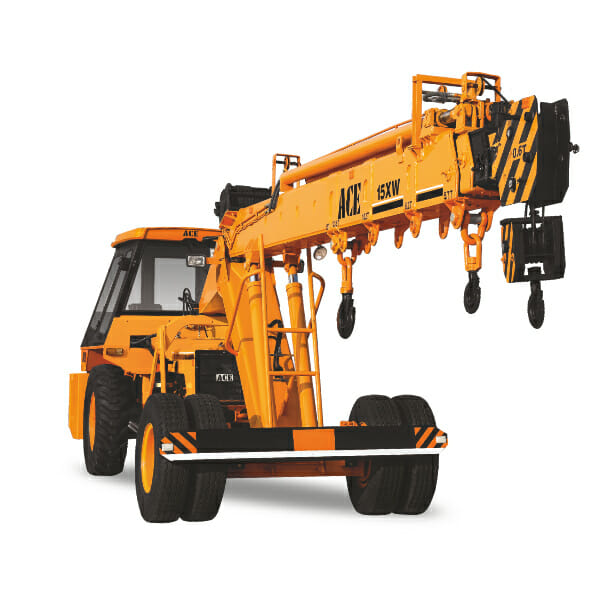
1. Mobile Cranes
This is the most commonly used crane in Kenya.
✔ Best for:
- General construction
- Short-term projects
- Moving between sites
✔ Key features:
- Easy to transport
- Quick setup
- Flexible
Most searches for crane hire in Kenya lead to mobile cranes.
2. Truck-Mounted Cranes
These cranes are fixed on trucks.
✔ Best for:
- Urban construction
- Quick lifting jobs
- Roadside operations
✔ Key features:
- Fast deployment
- Easy movement
- Efficient for city use
3. All-Terrain Cranes
These are powerful cranes designed for both road and off-road use.
✔ Best for:
- Large infrastructure projects
- Mixed terrain sites
✔ Key features:
- High lifting capacity
- Strong stability
- Versatile movement
4. Rough Terrain Cranes
Built specifically for tough conditions.
✔ Best for:
- Construction sites with uneven ground
- Remote locations
✔ Key features:
- Strong tires
- High stability
- Designed for off-road use
5. Tower Cranes
These are the tall cranes you see on high-rise buildings.
✔ Best for:
- Skyscrapers
- Long-term construction projects
✔ Key features:
- Fixed position
- Very high lifting height
- High load capacity
6. Crawler Cranes
These cranes move on tracks instead of wheels.
✔ Best for:
- Heavy lifting
- Large construction sites
✔ Key features:
- Strong lifting power
- Stable on soft ground
- Slow movement
How Crane Type Affects Hire Cost in Kenya
Different crane types come with different costs.
- Mobile cranes → lower cost
- Truck-mounted cranes → moderate
- Tower cranes → high cost
- Heavy-duty cranes → highest cost
That’s why understanding crane types helps when comparing crane hire prices in Kenya.
How to Choose the Right Crane Type
Before hiring a crane, ask:
🔹 What weight are you lifting?
Heavy loads need stronger cranes
🔹 What is the height required?
Tall buildings require tower cranes
🔹 What is your site condition?
- Rough terrain → specialized cranes
- City projects → compact cranes
🔹 How long is the project?
- Short-term → mobile cranes
- Long-term → tower cranes
Common Mistakes When Choosing Cranes
1. Hiring the wrong crane type
2. Ignoring site conditions
3. Choosing based on price only
4. Not planning lifting requirements
These mistakes cause delays and extra costs.
Where to Find Crane Services in Kenya
Most crane hire services are located in:
- Nairobi (Industrial Area, Mombasa Road)
- Nakuru
- Eldoret
- Mombasa
Many providers offer services across Kenya depending on the project.
Cranes Available in Kenya
At craneskenya.com, you can access:
- Mobile cranes
- Truck-mounted cranes
- Heavy lifting cranes
- Crane hire services with operators
Suitable for construction, logistics, and industrial use.
FAQs – Types of Cranes in Kenya
How many types of cranes are there in Kenya?
There are 5–6 main types depending on use
Which crane is most common in Kenya?
Mobile cranes are the most widely used
What crane is used for tall buildings?
Tower cranes are used for tall buildings
Does crane type affect hire cost?
Yes, bigger and more specialized cranes cost more
Final Thoughts
Understanding the types of cranes in Kenya is the first step to choosing the right equipment for your project. Instead of just searching for a crane, focus on:
- The right type
- The right capacity
- The right application
That’s how you avoid delays, reduce costs, and complete your project successfully.
